Professional Residential Electrician for Sound and Optimized Solutions
A seasoned residential electrician holds a fundamental role in safeguarding the reliability and optimal operation of electrical systems in homes. These skilled professionals are capable to carry out placements, restoration, and improvements, confirming adherence to safety standards and local codes. Widespread problems, including flickering lights or defective lines, regularly require expert care. Grasping the scope of their work raises important concerns about durability, trustworthiness, and extended lifespan of a residence's electrical system. What should dwelling owners reflect on before hiring?
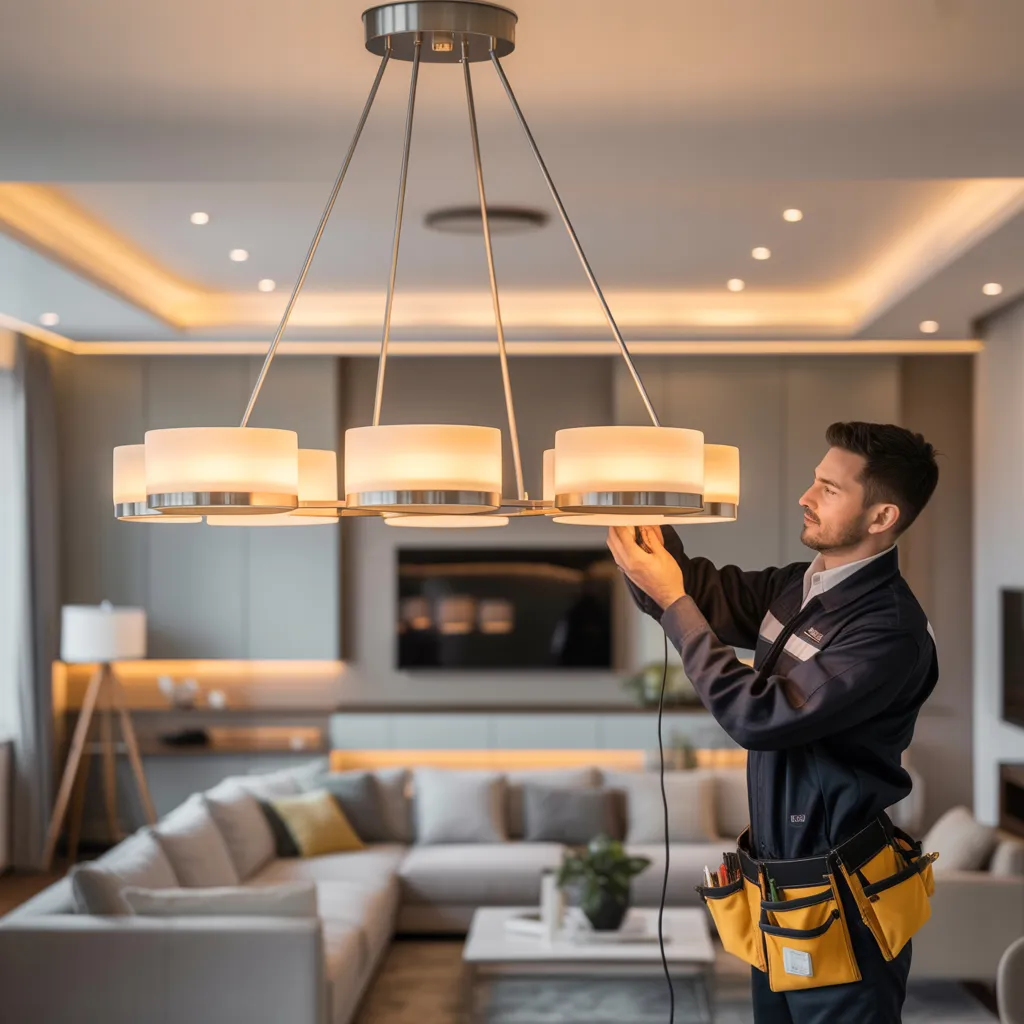
What Precisely Is the Role of a Household Electrical Expert Actually?
A residential electrician specializes in the installation, maintenance, and repair of electrical systems within homes. Their main duties include wiring, circuit installation, and the setup of lighting fixtures. They also diagnose electrical issues, ensuring that systems operate efficiently and safely.
In addition to these tasks, residential electricians conduct routine assessments to identify potential risks and confirm adherence with relevant codes. They often improve existing systems to accommodate new appliances or technology, thereby boosting a home's functionality.
Additionally, they deliver crucial expert guidance, directing homeowners toward eco-friendly energy options and advanced electrical systems. A residential electrician furthermore partners with other contractors throughout renovation projects or new building work, confirming that electrical work functions harmoniously with other components of the project. By using professional-grade equipment and maintaining compliance with industry standards, they constitute an essential role in upholding a protected and consistent electrical environment in residential settings.
Safety Regulations in Electrical Services: Key Information for Homeowners
How can homeowners ensure their electrical systems remain safe and up to code? Understanding safety standards is essential. Power regulations, such as the National Electrical Code (NEC), serve as a guideline for secure setups and practices. Property owners should ascertain their installations comply with these requirements to reduce risks of fire hazards and shocks.
Routine checks by a licensed electrician can help identify potential risks. Electricians are qualified to follow local regulations and implement safety protocols. Homeowners should also be aware of proper capacity limits to prevent overload, which can cause overheating.
Furthermore, employing certified products and materials is essential for preserving security. Homeowners must emphasize the installation of GFCI outlets in damp locations and confirm smoke detectors are operational. By staying informed and proactive about power safety guidelines, homeowners can substantially minimize risks and ensure a secure home setting.
Standard Electrical Concerns and How Professionals Tackle Them
Homeowners frequently face multiple wiring issues that can create hazards to safe operation and performance. Common problems consist of flickering lights, breakers that trip, and non-functioning detailed article outlets. These issues can result from outdated wiring, overloaded circuits, or faulty appliances.
One more common issue involves electrical surges, which can harm equipment and gadgets. Ground fault circuit interrupters (GFCIs) may fail, generating hazards in damp areas like kitchens and bathrooms.
Specialists diagnose these difficulties by conducting extensive examinations, verifying wiring condition, and analyzing the strain on circuits. They use specialized tools to reveal hidden defects and maintain conformance with safety protocols.
How to Handle Usual Electrical Problems With Professional Support
Electrical issues frequently require professional electrician knowledge to handle. Lights that flicker, frequent circuit breaker tripping, and malfunctioning outlets are typical problems that can indicate underlying electrical faults. A qualified electrician guarantees these issues are identified accurately and resolved safely.
Flickering Lights Solutions delivering reputable remedies
Flickering lights can impact the ambiance of any home, showing potential electrical troubles that call for immediate attention. This usual problem often indicates loose connections, faulty switches, or inadequate wattage. Homeowners should first check if the flickering takes place with specific bulbs or throughout the entire house. If it is isolated, installing a new bulb may solve the issue. However, persistent flickering calls for consultation with a professional residential electrician, who can accurately diagnose and repair underlying problems. A qualified electrician will inspect wiring, assess circuit loads, and guarantee all connections are secure. Addressing flickering lights promptly not only restores peace but also improves safety, preventing possible hazards like electrical fires. Professional intervention provides peace of mind and long-term solutions.
What Triggers Your Circuit Breaker to Trip
Understanding these problems is essential; engaging a qualified home electrical specialist to diagnose and resolve these problems ensures safety and efficiency in the home's electrical system.
Outlet Dysfunction Troubleshooting
Recognizing the possible challenges linked with circuit breakers naturally emphasizes the need to troubleshoot outlet malfunctions. Outlet difficulties can present as flickering lights, non-functioning devices, or unusual sounds emanating from the outlet itself. These symptoms frequently suggest underlying electrical issues that necessitate professional evaluation. A qualified electrician will start by examining the circuit for overloads, loose connections, or damaged wiring. They might also check for proper grounding and voltage levels to confirm safety. Promptly addressing these malfunctions is vital, as ignoring them can result in more serious hazards, including electrical fires. By depending on a professional, homeowners can ensure their electrical systems function efficiently and safely, safeguarding both their property and peace of mind.
Why Employ an Expert for Electrical Upgrades?
Upgrading electrical systems can greatly enhance a home's safety and efficiency, making professional help necessary. Homeowners often underestimate the complexities involved in electrical upgrades, which can lead to costly mistakes or hazardous situations. Professional electricians have the necessary training and experience to navigate local codes and regulations, ensuring that upgrades are compliant and safe.
Furthermore, specialists can examine a home's specific electrical needs, proposing customized solutions that boost operation and energy conservation. They are supplied with the appropriate tools and knowledge to address potential challenges, such as outdated wiring or insufficient load capacity. This competence not only decreases dangers but also improves the lifespan and consistency of the electrical system.
In the end, hiring a qualified electrician for improvements not only safeguards a home but also offers peace of mind, realizing that the work is properly and effectively performed, thereby increasing the value in the property.
Key Points About Your Electrical Examination?
During an electrical inspection, residents should anticipate a thorough evaluation based on a standard protocol that demonstrates vital elements of their electrical infrastructure. Professionals will examine adherence to safety requirements to guarantee the power installation is reliable and protected. Comprehending these guidelines supports property owners prepare for a fruitful inspection visit.
Common Inspection Checklist Items
A meticulous electrical inspection typically involves various key checklist items that confirm well-being and adherence with standards. Inspectors often begin by looking at the main electrical panel for proper grounding and stable connections. They check wiring for any marks of wear, damage, or improper arrangement. Circuit breakers and fuses are evaluated to make sure they are functioning correctly and adequately rated for the power load. In addition, outlets and switches are inspected to assure they are earthed properly and free from defects. Smoke detectors and poisonous gas detectors are likewise tested for proper operation. In the end, the evaluator reviews any adjustments or supplements to the power system to ascertain they stick to area codes and benchmarks, ensuring the overall safety of the home's electrical infrastructure.
Safety Standards Compliance Review
Following an exhaustive inspection checklist, comprehending compliance with safety standards is essential for property owners. Adherence to electrical safety standards guarantees that electrical installations meet both national and local requirements, minimizing hazards associated with electrical dangers. Property owners can expect the electrician to inspect correct grounding, circuit quality, and the application of approved materials. Moreover, compliance with the National Electrical Code (NEC) is critical, as it outlines the baseline safety standards for electrical systems. During assessments, electrical experts will assess the functionality of smoke alarms and carbon monoxide alarms, confirming they operate properly. By focusing on safety standards, homeowners not only protect their residence but also safeguard the welfare of their families. In conclusion, compliance establishes trust in electrical services and promotes ongoing safety.
Tips to Decide on the Appropriate Electrical Expert for Your Home
Finding the ideal electrician for your home can seem overwhelming—what factors should one think about? First, validating qualifications is vital. A licensed electrician confirms that they have fulfilled the required training and standards. Homeowners should also look into insurance, as this guards against potential liabilities during the project.
Experience constitutes another fundamental factor; professionals with a solid track record are often more experienced at coping with various issues. Studying critiques and obtaining referrals can present understanding into their accountability and performance of work.
Moreover, collecting different estimates helps homeowners compare pricing and services, verifying they receive a just price. Verbal skills are comparably important; an electrician should be able to present difficulties and answers lucidly.
Finally, determining their familiarity with local regulations and requirements can prevent future issues. By thoughtfully considering these elements, homeowners can reach a well-reasoned decision, ultimately guaranteeing security and efficiency in their electrical work.
Commonly Asked Questions
How Much Does It Cost to Hire a Residential Electrical Professional?
Hiring a residential electrician usually runs somewhere between $50 to $100 per hour, influenced by your location and how complex the work is. Supplementary costs may be levied for materials and emergency calls, changing your total expense.
What timeline for an electrical task generally?
An electrical project generally takes a few hours to several days, depending on its complexity and scope. Elementary repairs may require little time, while major installations or renovation projects can considerably prolong the duration.
What Qualifications Should I Consider in an Electrical Contractor?
When choosing an electrical specialist, one should give priority to competencies such as proper licensing, safeguards, connected work history, and outstanding customer feedback. Additionally, recognitions in specialized areas can cement their authority and guarantee quality workmanship.
Are Urgent Electrical Solutions Offered?
Emergency electrical support is indeed available. Many electricians provide 24/7 assistance for urgent issues, ensuring quick response and solutions to restore safety and operation. Property owners should verify accessibility and response times before crises arise.
Am I Permitted to Do Electrical Work on My Own Legally?
In many jurisdictions, individuals can lawfully carry out electrical work on their own properties, but regulations vary. It's crucial to review local codes and safety standards to guarantee compliance and avoid potential hazards or fines.